


If you are a UK player attracted by Lucky Jet’s vivid colours and quick rounds, understanding how it works can transform how you play. This isn’t about discovering a hidden formula to win, but about observing the mechanism behind the screen. We’ll examine the engineering and arithmetic framework that lets the game tick, from how it creates random numbers to how your bet travels to the server. Knowing this assists you believe in the game’s fairness, understand its “provably fair” promises, and appreciate the design that seeks to give a smooth, thrilling game every time you press ‘Play’. It allows you to approach your bets with clearer eyes, control your money smarter, and enjoy Lucky Jet as a smart piece of digital entertainment built within rigorous rules.
Core Gameplay Loop and the Client-Server Model
Lucky Jet’s fundamental loop is straightforward: you make a bet, watch the character (the “flyman”) launch upwards with a growing multiplier, and seek to cash out before it unexpectedly vanishes. This direct action is powered by a server-client setup. Your phone, tablet, or computer serves as the client. It’s essentially a smart display. It presents the graphics and transmits your selections—your bet size, your cash-out click—to a remote game server. Every important calculation, particularly where and when the flight will end, occurs on that secure server in an instant. This model is vital for security and fairness. It stops anyone from tampering, because the result is set on the server ahead of the animation on your screen even completes. Everyone participating gets the same result, no exceptions.
The Function of the Game Server in Deciding Outcomes
View of the game server as the silent umpire and the engine room. The moment a betting round ends, the server utilizes a cryptographically secure random number generator (RNG) to decide the crash multiplier. This result is fixed in within milliseconds. Your device receives this data and merely animates the jet’s climb to align. The server also holds track of the whole game state. It tracks all active bets, handles every cash-out request, and adjusts everyone’s balance in real time. This separation means the stressful decision of when to cash out is entirely a mental game against uncertainty. It’s not a mechanical race or a calculation occurring on your exposed device. For you in the UK, this builds trust. The operator cannot meddle, and nor can other players.
The Heart of Randomness: RNG and Provably Fair Systems
True randomness is the bedrock of Lucky Jet. The game uses a advanced Random Number Generator (RNG) that gets audited regularly to verify it’s unpredictable and conforming. This isn’t a simple computer function. It’s a sophisticated algorithm designed to spit out a unbroken stream of numbers with no detectable pattern. This guarantees each flight’s ending point is entirely separate from the prior one. What’s more, many sites that offer Lucky Jet use a “Provably Fair” system. This encryption-based tech allows you confirm, after a round finishes, that the outcome was created impartially and wasn’t changed. You can utilize a specific hash or seed to validate the server’s result corresponds to the declared random generation. It provides a level of transparency that many UK players look for.
How Outcome Independence is Upheld
One of the most crucial ideas to grasp is outcome independence. Every round of Lucky Jet is a completely new event. The RNG has no memory. It is indifferent about previous crashes, hot streaks, or cold streaks. The chance of the jet flying away at a 1.5x multiplier is probabilistically unchanged on every flight, no matter what occurred the ten rounds before. The game’s architecture enforces this mathematical fact. It breaks the common “gambler’s fallacy”, that erroneous belief that a certain outcome is “due” because it has been absent in a while. Grasping this architectural truth helps you handle the game with a more rational head, centering on your bankroll instead of chasing imaginary patterns.
Understanding the Payout Mechanics and Crash Point Generation
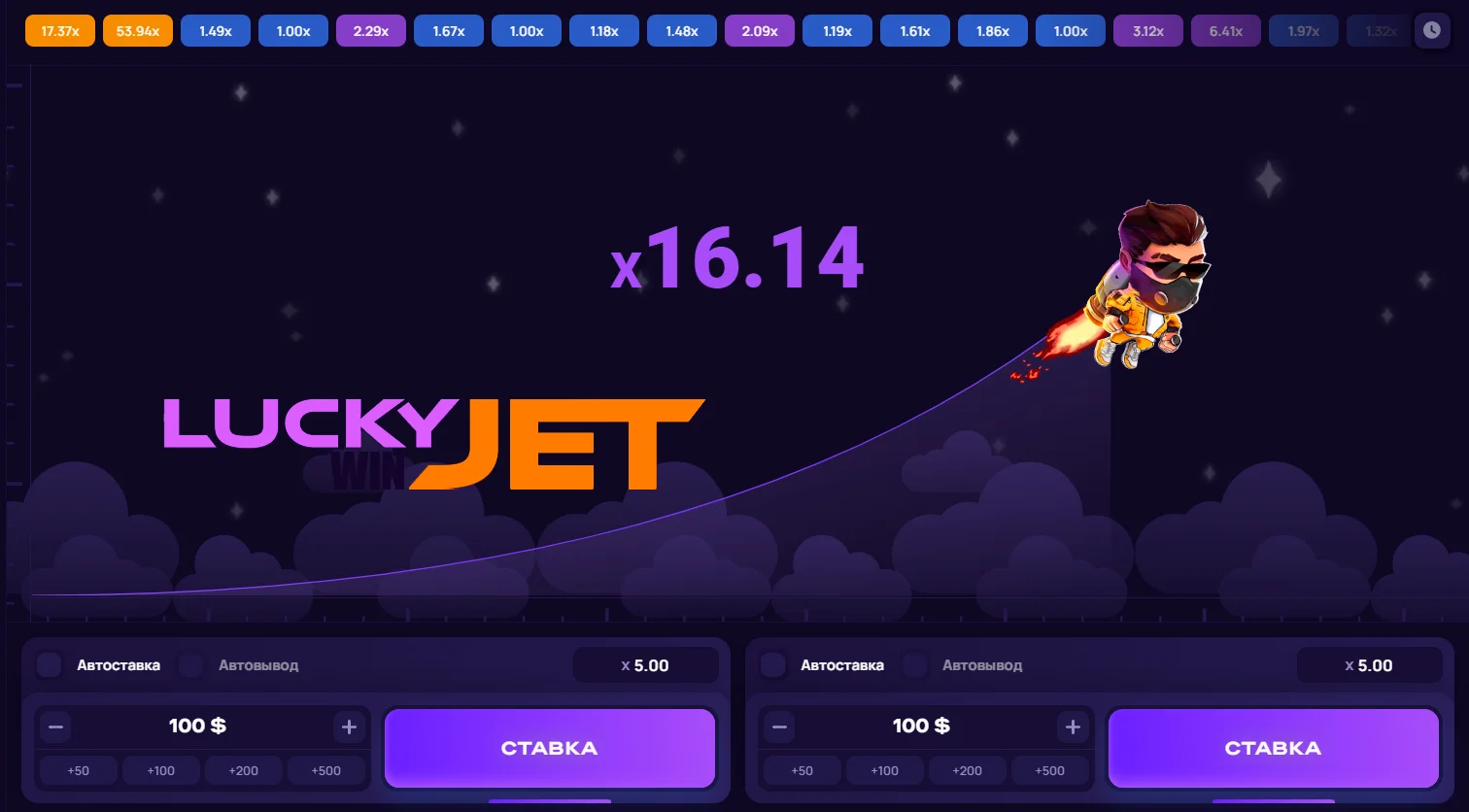
The climbing multiplier is where the drama unfolds. From a technical standpoint, this multiplier is a visual count-up of time since the jet took off, matched against a crash point decided in advance. The server generates a random number, which is then processed through a specific multiplier curve formula to find the exact crash value, such as 12.45x. This curve is designed to create a tense risk-reward balance, where greater multipliers become far less common. Your screen fluidly shows the multiplier’s ascent, but the second it matches the server’s predetermined threshold, the jet disappears. The design ensures the number you view is completely in sync with the server’s internal timer. So if you manage to cash out at 5.60x, it’s as your command got to the server a few moments before its crash signal went out.
Visual and Sound Engine: Crafting the Captivating Experience
While the server does the maths, the client-side visual and audio engine produces all the excitement. Developed with tech like HTML5 or WebGL, this engine displays the colourful Indian-themed background, propels the Lucky Jet’s smooth flight, and manages all the dynamic interface elements. The sound system delivers a matching soundtrack of ambient noise and rising tension music, with key audio cues for actions like placing a bet or cashing out. This engine is calibrated for performance on the devices UK players commonly use. It strives for smooth animations without lag, which matters in a game where timing feels critical. The immersive experience is designed to be engaging and fun, but the architecture guarantees this spectacle never changes the pre-determined mathematical result.
Animation Synchronisation with Server Data
The seamless link between the server’s data and what you see on screen is a key technical achievement. Your client receives the crash point data as the round starts and uses it to direct the animation timeline. The multiplier display isn’t just a counter; it’s a depiction of the server’s countdown to the crash. Good architecture guarantees this synchronisation is perfect, preventing visual glitches or de-sync that could deceive you about when to cash out. For you, the player, this means the experience is consistent and reliable. The jet glides away at the exact same moment for everyone, and the multiplier you see is the one that matters for your potential win.
Infrastructure Setup: Guaranteeing Low Latency for UK Players
In a game where milliseconds feel critical, network performance is key. Reputable platforms catering to the UK use content delivery networks (CDNs) and game servers hosted in or near the UK, often in data centres in London or Dublin. This cuts down latency, the delay between your cash-out command exiting your device and hitting the server. A low-latency setup means when you click ‘Cash Out’, the action activates almost immediately. It eradicates unfair delays created by sheer distance. This infrastructure also keeps a stable, open connection to handle the real-time stream of bets and multiplier updates from every player in the round. The goal is a smooth, responsive, and fair environment for everyone.
Safety Systems Protecting Player Data and Transactions
Solid security is built into every layer of Lucky Jet’s design. All data traveling between your device and the game server is coded with industry-standard TLS (Transport Layer Security) protocols, the same tech employed for online banking. This encryption guards your personal details, your bets, and your financial transactions from eavesdroppers. Also, because the game is connected with licensed casino or gaming platforms, it profits from their strict security measures. This covers secure payment gateways for deposits and withdrawals, and following UK Gambling Commission rules on data protection. The server infrastructure itself is hardened against attacks like DDoS and illegal access. The aim is a gaming environment that keeps safe, stable, and concentrated on entertainment.
The Function of the Game Client: Mobile Compared to Desktop Performance
The client application, the software on your device, is tuned in a different way for mobile and desktop. On a desktop browser, the client can use more processing power and a bigger screen. This sometimes means marginally richer graphical details and the choice to play multiple games at once. The mobile client, whether on a browser or in a dedicated app, is designed for efficiency. It uses simpler graphics and touch-friendly controls to deliver the full experience without chewing through your battery. The core architectural rule holds the same for both: they are ‘dumb terminals’ that show the server’s authority. Any performance difference is about appearance and how you interact, not about how outcomes are determined. This assures the same experience across every device a UK player might use.
In what manner Bonuses and Features are Built into the Core Code
Features like welcome bonuses or loyalty rewards aren’t appended. They are embedded into the game’s transactional architecture. When you trigger a bonus, game lucky jet, the platform’s main wallet system updates and tells the game server via secure APIs (application programming interfaces). The game logic then contains rules for using bonus funds, with wagering requirements often tracked quietly in the background. Tools like auto-cashout or saved bet amounts are client-side tools. They transform your preferences into automated commands sent to the server. This integration is meant to feel smooth. The bonus mechanics operate alongside the core RNG and betting logic, so promotional offers add to the fun without interfering with the game’s fundamental fairness or speed.
FAQ
Does the Lucky Jet game genuinely random for UK players?
Yes. The game utilizes a verified Random Number Generator (RNG) to determine each round’s outcome. Independent testing agencies audit this RNG regularly to verify for genuine randomness and fairness. Many platforms also provide a “Provably Fair” system, enabling you to confirm the integrity of each result yourself. This guarantees no one has manipulated the game.
How does the game’s server stop cheating?
All the critical calculations, particularly the crash point, occur on secure, remote servers. Your device only shows you the result. This server-authoritative model implies no player can alter the outcome, and everyone observes the same result. Sophisticated encryption and security protocols also shield the game state from outside interference or hacking attempts.
For what reason does the Lucky Jet sometimes crash at very low multipliers?
The game’s design applies a defined probability distribution. Lower multipliers, such as those below 2x, are statistically more likely to occur than very high ones. Each flight is an independent event, so a crash at 1.2x is merely the RNG choosing a value from the more common part of the probability curve.
Is it possible for using auto-cashout provide me a technical advantage?
Not at all. Auto-cashout is a local convenience tool. It just executes your cash-out command at the multiplier you pick. The command still goes to the server, which validates it against the pre-determined crash point. It offers no speed or strategic edge over clicking manually, because the outcome is already set before the flight starts.
Will a quicker internet connection increase my winning potential?
A faster, stable connection cuts delay, ensuring your cash-out command gets to the server quickly. But it does not alter your odds of winning. The result is determined before you even react. Good internet eliminates technical headaches, but it doesn’t alter the underlying maths of the game.
How are my bets and winnings processed so quickly?
The game’s architecture uses a real-time transactional system. When a round ends, the server instantly calculates all wins and losses, modifies a central database, and sends your updated balance to your device. This high-speed processing is executed by optimised databases and efficient code, so you get feedback immediately after each round.
Is the Lucky Jet game architecture compliant with UK regulations?
Provided by operators regulated by the UK Gambling Commission, the game must comply with strict technical standards. This covers RNG certification, fairness audits, secure data handling, and implementation of responsible gambling tools. The architecture is structured and tested to fully meet these UK market regulations.
