
Introduction to Saka Sirhind
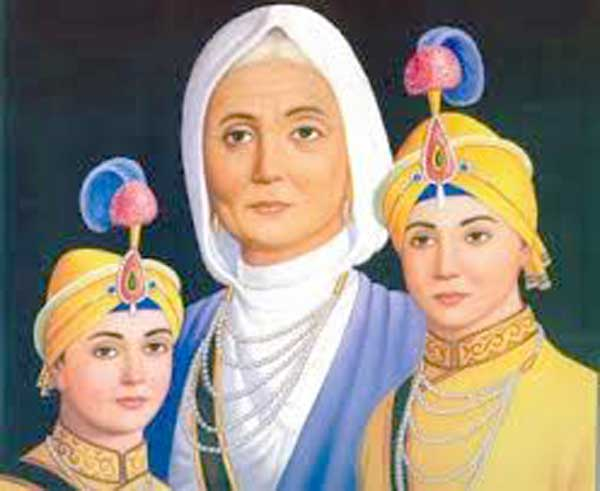
Saka Sirhind is one of the most painful, emotional, and inspiring chapters in Sikh history. It tells the story of the martyrdom (Shaheedi) of chote sahibzade i.e Sahibzada Zorawar Singh Ji and Sahibzada Fateh Singh Ji, the younger sons of Guru Gobind Singh Ji, and the sacrifice of Mata Gujri Ji.
The word “Saka” means a tragic but heroic incident, and Sirhind is the place where this heart-touching event happened.
Saka Sirhind took place between 24-26 December 1704, during the time of Mughal rule.
This event teaches the world that faith, courage, and truth are more powerful than fear, cruelty, or force.
Historical Background Before Saka Sirhind
Before Saka Sirhind:
- Guru Gobind Singh Ji was staying at Anandpur Sahib
- Mughal forces and hill kings surrounded Anandpur Sahib for months
- Food and supplies were stopped
- The enemy promised safe passage if Guru Ji left Anandpur Sahib
Trusting the promise, Guru Gobind Singh Ji left Anandpur Sahib in December 1704, but the promise was broken. During this journey, the Guru’s family got separated.
Date-Wise History of Saka Sirhind (1704)
23 December 1704 – Taken to Sirhind
What happened:
- Mata Gujri Ji and the Sahibzade were taken to Sirhind
- They were kept in Thanda Burj (Cold Tower)
- Severe winter cold, no warm clothes, and little food
- The Sahibzade remained calm and fearless
Importance:
This shows the mental strength of the Sahibzade.
Lesson:
Faith gives strength even in suffering.
24 December 1704 – Presented in the Court of Wazir Khan
What happened:
- Sahibzada Zorawar Singh Ji (9 years)
- Sahibzada Fateh Singh Ji (7 years)
- Presented before Wazir Khan, the Mughal governor
- Offered wealth, comfort, and royal life if they accepted Islam
- The Sahibzade refused firmly
Importance:
Two young children stood against a powerful ruler.
Lesson:
Faith cannot be bought.
25 December 1704 – Cruel Orders and Final Decision
What happened:
- Court advisors tried to scare the Sahibzade
- Threats of death were given
- Still, the Sahibzade did not change their faith
- Wazir Khan ordered them to be bricked alive
Importance:
This shows the extreme cruelty of injustice.
Lesson:
Truth never bends before fear.
26 December 1704 – Shaheedi of the Younger Sahibzade (Saka Sirhind)

What happened:
- Sahibzade were bricked alive
- The wall collapsed twice
- Finally, they were killed
- They accepted death with courage and faith
Place: Sirhind (Punjab)
Importance:
This day is remembered as Saka Sirhind.
Lesson:
Faith is greater than life.
27 December 1704 – Shaheedi of Mata Gujri Ji
What happened:
- Mata Gujri Ji heard about the martyrdom of her grandsons
- She accepted God’s will calmly
- She attained Shaheedi
Importance:
A grandmother’s sacrifice completed the tragedy.
Lesson:
True strength comes from belief in God.
Faq On Saka Sirhind
What is Saka Sirhind?
Saka Sirhind refers to the tragic historical massacre carried out by the Mughal governor Wazir Khan of Sirhind in December 1705 (Poh month, 1762 Bikrami Samvat). It is most famously associated with the martyrdom (Shaheedi) of Sahibzada Zorawar Singh Ji (age 9) and Sahibzada Fateh Singh Ji (age 7), the younger sons of Guru Gobind Singh Ji.
The event symbolizes extreme cruelty by the Mughal regime and unmatched bravery, faith, and sacrifice by the Sikh Gurus’ family.
When did Saka Sirhind take place?
Saka Sirhind took place between 26–27 December 1705 (Gregorian calendar).
The younger Sahibzadas were martyred on 27 December 1705, which is commemorated every year as Veer Bal Diwas in India.
2. Who were martyred in Saka Sirhind?
The Chote Sahibzade and Mata Gujar Kaur Ji :
1. Baba Zorawar singh Ji
2. Baba Fateh singh Ji
Who ordered the execution during Saka Sirhind?
The execution was ordered by Wazir Khan, the Mughal governor of Sirhind, under the Mughal administration during the reign of Emperor Aurangzeb.
Who is Moti Ram Mehra Ji ?
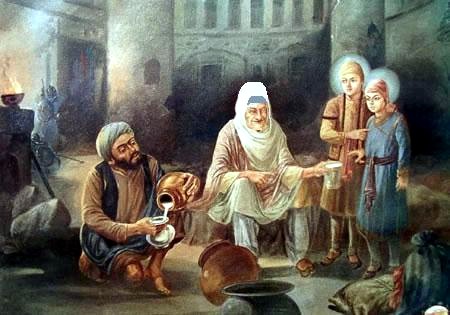
Baba Moti Ram Mehra was a devoted Sikh and martyr who lived during the time of Guru Gobind Singh Ji. In 1704, when Mata Gujri Ji and the young Sahibzadas (Baba Zorawar Singh Ji and Baba Fateh Singh Ji) were imprisoned in the cold Thanda Burj at Sirhind, he risked his life to serve them. Disguised as a water carrier, he secretly brought milk hidden in his water bag for three nights, giving them strength and care—an act remembered as “Doodh di Seva” (milk service). When discovered, he and his entire family were executed for this selfless act. His sacrifice is remembered as a powerful symbol of compassion, courage, and selfless service in Sikh history.
Who is Diwan Todar Mal Ji
Diwan Todar Mal was a wealthy Hindu merchant and a devoted supporter of righteousness during the time of Guru Gobind Singh Ji. After the martyrdom of the young Sahibzadas (Baba Zorawar Singh Ji and Baba Fateh Singh Ji) and Mata Gujri Ji in Sirhind (1704), the Mughal authorities cruelly demanded that land for their cremation be paid for by covering it with gold coins placed upright. Diwan Todar Mal accepted this condition and sacrificed his entire wealth to perform their last rites with dignity. His act is remembered as a symbol of faith, courage, humanity, and standing up for justice against oppression in Sikh history. That place is now known Gurudwara Jyoti Sarop Sahib
Conclusion: Why Saka Sirhind Will Always Inspire the World
Saka Sirhind is not just a tragic event — it is a beacon of courage.
Two young children showed the world that truth is stronger than fear.
Their sacrifice teaches us:
Saka Sirhind will forever remain a source of inspiration for humanity.
Read Our More Blogs
Hola Mohalla History