
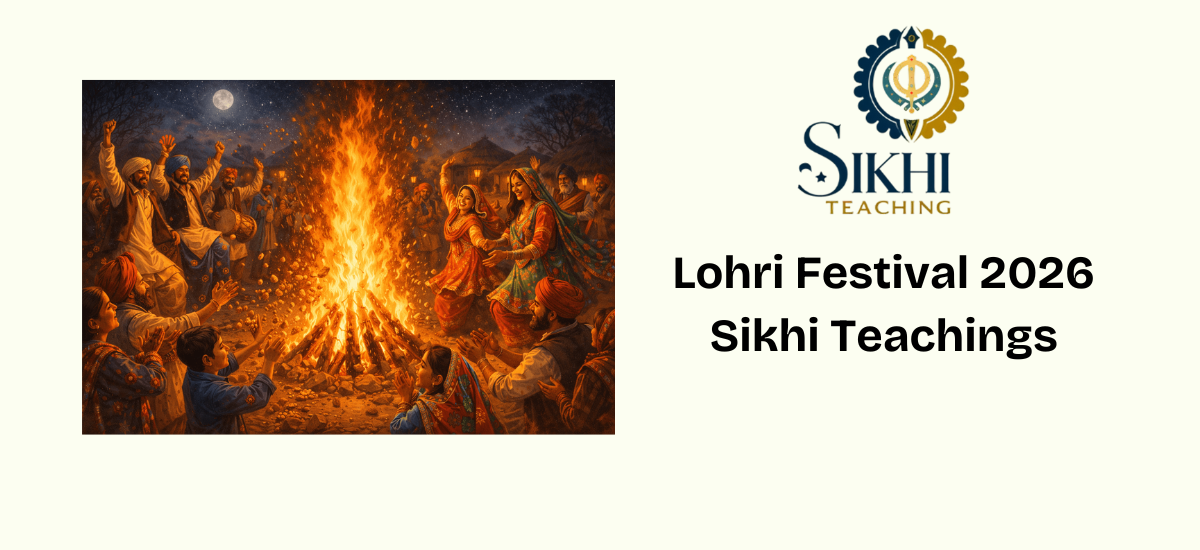
One of the happiest and liveliest holidays in North India, particularly in Punjab, is the Lohri festival. Every year on January 13th, people gather to celebrate traditional music, dance, bonfires, and delectable food. Lohri signifies the start of longer days following the winter season for many families. It is a celebration of coziness, joy, and unity.
The Lohri festival is particularly significant in Sikh and Punjabi culture. It is a festival that celebrates history, religion, and camaraderie in addition to the harvest season. Sikhs and Punjabis have joyfully celebrated Lohri with family and friends for many years.
Lohri festival meaning
At the end of winter, people customarily celebrate the Lohri celebration. It signifies the end of the winter solstice and the start of longer, warmer days. When their crops, particularly sugarcane, wheat, and mustard, reached maturity, farmers used to celebrate Lohri. The celebration was considered a means of giving thanks to Waheguru and the natural world for a bountiful harvest.
Punjab, Haryana, Himachal Pradesh, and portions of North India are the primary places where people celebrate Lohri. But Sikhs and Punjabis around the world also proudly and lovingly commemorate this holiday.
History & significance of Lohri
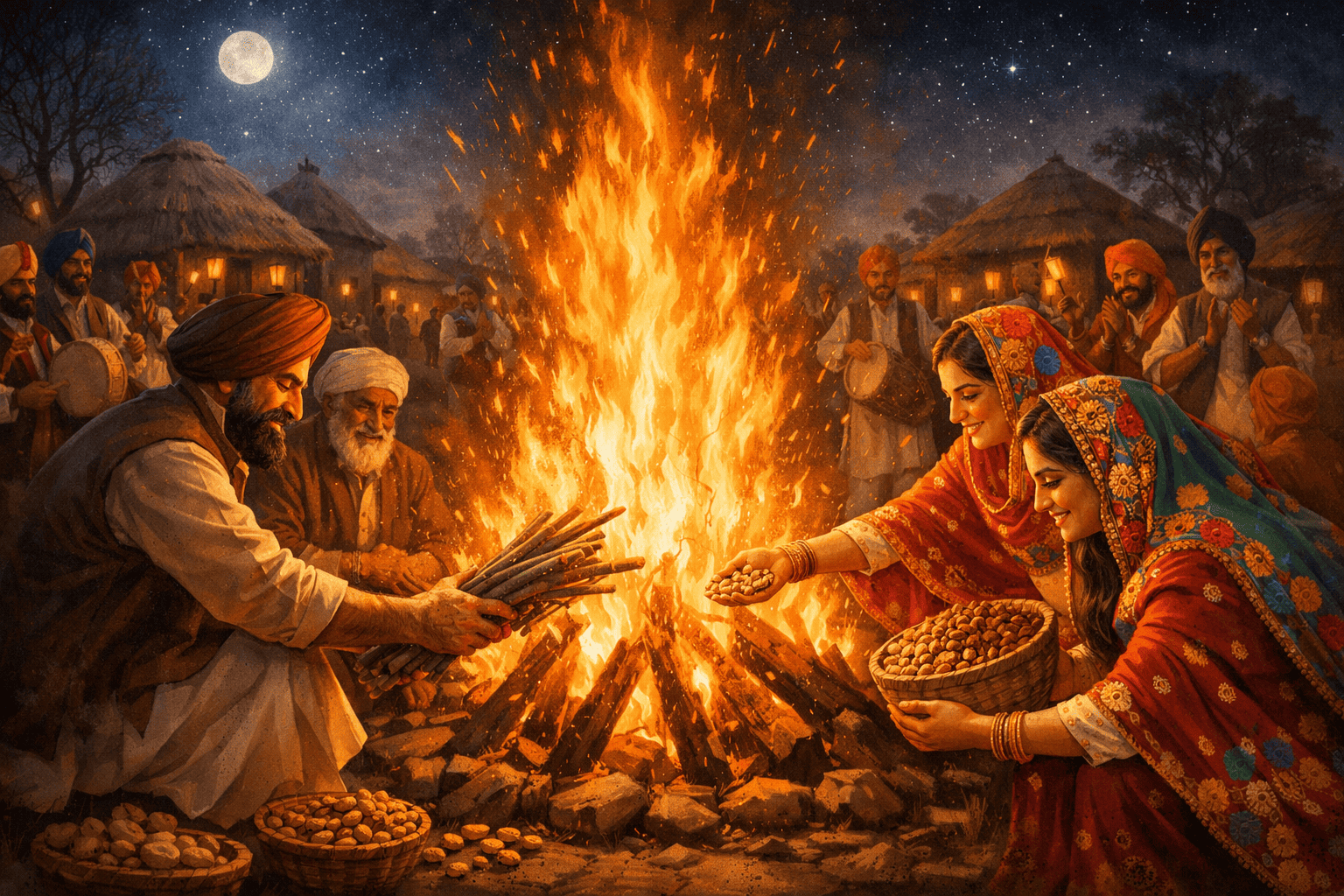
Ancient customs are linked to the Lohri festival’s past. Lohri is thought to have originated from ancient winter customs in which people built bonfires to stay warm and greet the return of the sun. The celebration developed religious and historical significance throughout time and became ingrained in Punjabi society.
The tale of Dulla Bhatti is among the most well-known tales associated with Lohri. During the Mughal era, Dulla Bhatti was a folk hero. He organized the marriages of girls who were being carried away with dignity and assisted in their rescue. People began chanting songs in his honor during Lohri celebrations because of his bravery and generosity. The well-known Lohri song “Sunder Mundriye” honors Dulla Bhatti’s bravery even now.
Lohri Festival Full Song Lyrics
” सुन्दर मुंदरिए
तेरा कौन विचारा
दुल्ला भट्टीवाला
दुल्ले दी धी व्याही
सेर शक्कर पायी
कुड़ी दा लाल पताका
कुड़ी दा सालू पाटा
सालू कौन समेटे
मामे चूरी कुट्टी
जिमींदारां लुट्टी
जमींदार सुधाए
गिन गिन पोले लाए
इक पोला घट गया
ज़मींदार वोहटी ले के नस गया
इक पोला होर आया
ज़मींदार वोहटी ले के दौड़ आया
सिपाही फेर के ले गया
सिपाही नूं मारी इट्ट
भावें रो ते भावें पिट्ट
साहनूं दे लोहड़ी
तेरी जीवे जोड़ी
साहनूं दे दाणे तेरे जीण न्याणे “
Translation of Sundar Mudariye
Beautiful girl
Who will think about you
Dulla of the Bhatti clan will
Dulla’s daughter got married
He gave one ser of sugar!
The girl is wearing a red suit!
But her shawl is torn!
Who will stitch her shawl?!
The uncle made choori!
The landlords looted it!
Landlords are beaten up!
Lots of simple-headed boys came!
One simpleton got left behind!
The soldier arrested him!
The soldier hit him with a brick!
(Cry or howl)!
Give us Lohri, long live your pair (to a married couple)!
Whether you cry, or bang your head later!
Lohri and the Birth of a Child
When a family celebrates the birth of a newborn, especially a male, Lohri takes on great significance in Punjabi culture. But nowadays, a lot of families also joyfully commemorate the birth of baby girls. The value of equality taught in Sikhism is supported by this constructive development.
Boys and girls are equal in Waheguru’s eyes, according to Sikh teachings. A lovely start toward eradicating discrimination is to celebrate both.
How is the Lohri Festival Celebrated?
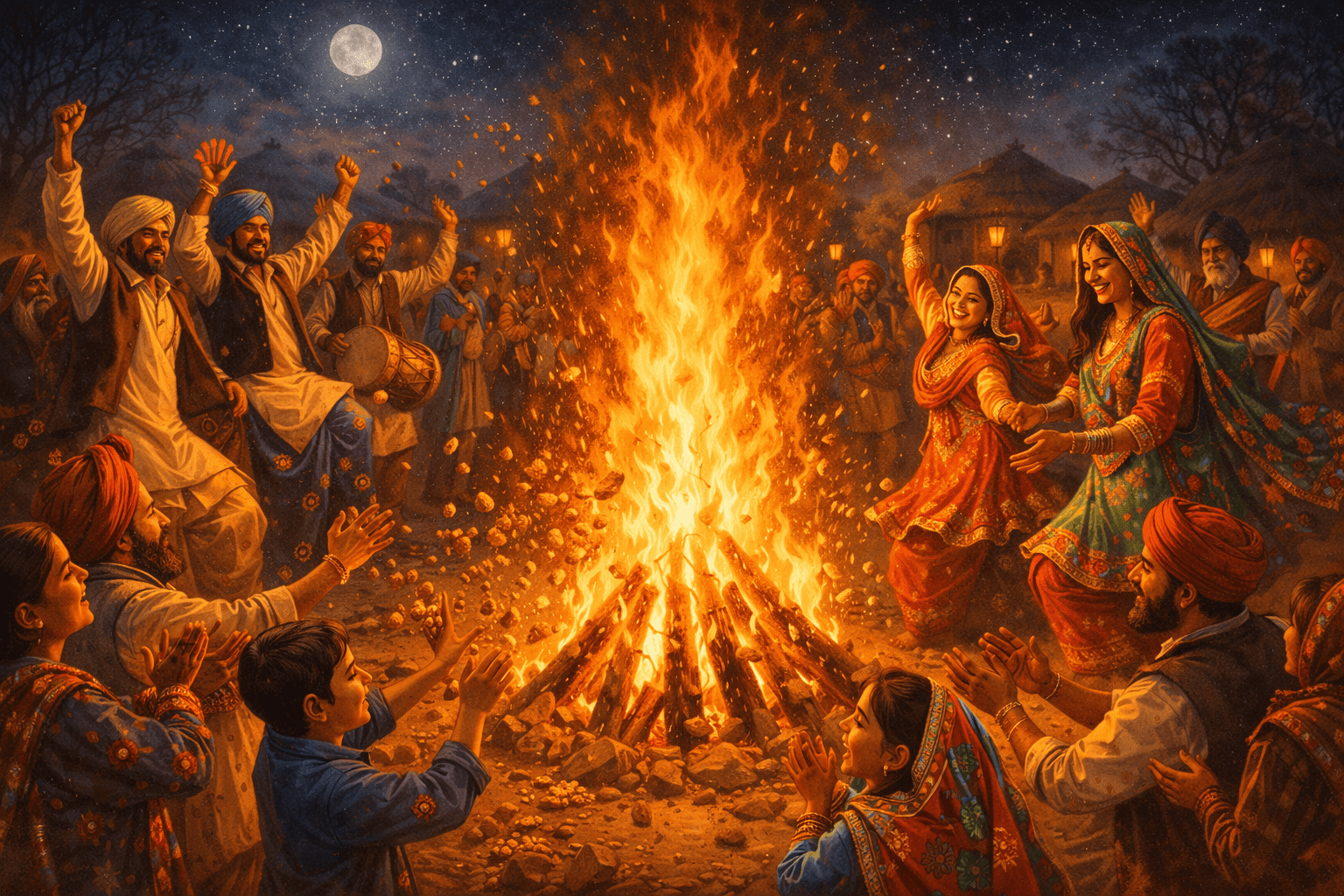
The celebration of Lohri starts in the evening when family members and neighbors gather around a bonfire. The bonfire is considered the center of the festival. People throw:
• peanuts
• popcorn
• sesame seeds (til)
• jaggery (gur)
is thrown into the fire as a sign of thanks and offering. This action symbolizes embracing positivity and letting go of negative. Tunes of Dulla Bhatti and other traditional folk tunes are sung. People dance, clap, and take pleasure in the fire’s warmth. Two well-known Punjabi dancing styles, Bhangra and Giddha, continue the festivities.
A significant aspect of the Lohri celebration is the delectable traditional cuisine. Among the popular Lohri dishes areDelicious traditional food is also a major part of the Lohri festival. Popular Lohri dishes include:
• sarson da saag
• makki di roti
• rewri
• gajak
• peanuts
• til laddu
Sharing food represents community bonding and generosity.
Activites to do in Lohri :
- Kites Flying
- Dance
- Music
- Bhangra
- Gidhha
- Boliyaan
What are the lohri festival wishes ?
Some of the Lohri festival wishes are as follows:
Classic & Heartfelt Lohri Wishes
-
May the warmth of the Lohri bonfire fill your home with happiness, positivity, and prosperity. Happy Lohri to you and your family!
-
Wishing you a Lohri filled with love, laughter, and cherished memories. May the harvest season bring you abundant joy and success!
-
May this Lohri light up your life and guide you towards success and new beginnings. Happy Lohri!
-
Let the glow of the Lohri fire burn away all your sadness and bring you peace, happiness, and prosperity. Happy Lohri!
Short & Sweet Lohri Wishes
-
Happy Lohri! Wishing you a warm and joyous celebration!
-
May your life be as sweet as til and as warm as the Lohri bonfire.
-
Wishing you an abundant harvest of joy, health, and happiness this Lohri!
-
May the spirit of Lohri fill your heart with positivity. Happy Lohri!
Punjabi & Traditional Lohri Wishes
-
Mittha gud te vich mil gaya til,
Udi patang te khil gaya dil,
Har pal sukh te pyaar badhao,
Lohri di khushiyaan naal manao!(Sweet jaggery and sesame seeds unite, kites fly high, hearts bloom with delight—may love and happiness grow every day. Celebrate Lohri with joy!)
-
The sound of the dhol is in the air—dance to the beats, spread love and care. May these rhythms keep you joyful always. Happy Lohri!
Lohri Wishes for Prosperity & Blessings
-
May God bless you and your family on this auspicious occasion of Lohri and grant you lifelong happiness and success.
-
May this festival of zeal and verve fill your life with energy, enthusiasm, prosperity, and endless joy.
Cultural Significance of Lohri Festival
Punjab’s deep agricultural heritage is reflected in the Lohri celebration. It serves as a reminder of the value of agriculture and the natural world. Farmers celebrate Lohri with the expectation of wealth and a bountiful crop.
Additionally, the festival encourages ideals such:
• unity
• respect for traditions
• helping others
• celebrating together
Lohri brings people from different backgrounds together. It strengthens relationships and spreads happiness.
Lohri Festival celebration rituals
Lohri celebration rituals have evolved with time while still preserving their traditional and cultural significance. Once mainly celebrated in villages, Lohri is now observed across cities, corporate offices, schools, and institutions, helping Punjabis—especially those living outside Punjab—stay connected to their roots.
Common Lohri Celebration Rituals Include:
- Lighting the Lohri Bonfire
Families and communities gather around a sacred bonfire, symbolizing warmth, positivity, and the end of winter. - Offering Traditional Foods
Peanuts, revri, gajak, popcorn, and til are offered to the fire as a gesture of gratitude and shared among everyone present. - Singing Folk Songs & Dancing
Traditional Lohri songs, along with Bhangra and Gidda, are performed to celebrate joy, unity, and cultural pride. - Global Community Celebrations
Punjabi communities in countries such as Canada, the United States, the United Kingdom, and Australia actively follow Lohri celebration rituals, strengthening cultural bonds worldwide. - Promoting Social Awareness
In modern times, Lohri is used to spread awareness about: - Gender equality
- Environmental protection
- Preservation of cultural heritage
Celebrating the Birth of Girls
Many families and organizations celebrate Lohri to honor the birth of girl children, promoting equality and positive social change.
Through these meaningful Lohri celebration rituals, the festival continues to be a symbol of unity, gratitude, and evolving cultural values, blending tradition with social responsibility.
Lohri in Punjab
Sikhism places great importance on gratitude, equality, and sharing with others—values that are clearly reflected in the celebration of Lohri in Punjab. During this festival, people come together to thank Waheguru for blessings, abundance, and protection, while ensuring that the joy of the occasion is shared with everyone, regardless of background.
In Punjab, Lohri is celebrated with a strong sense of inclusivity. Families and communities gather around the bonfire, share traditional foods like revri, peanuts, and gajak, and welcome neighbors and visitors alike. This collective celebration highlights the Sikh principles of unity and compassion that form the foundation of Punjabi culture.
Guru Nanak Dev Ji taught that selfless service (Seva) is a form of worship and that all human beings are equal. These teachings are beautifully reflected during Lohri in Punjab, where people freely distribute food and participate together in celebration. The spirit of Langar (community kitchen) and Sangat (holy congregation) can be seen in the way Lohri brings people together, reinforcing bonds of brotherhood, humility, and shared humanity.
Conclusion
The Lohri festival is a beautiful way to honor culture, community, and thankfulness. It marks the end of the harsh winter season and the beginning of brighter and more hopeful days. Deeply rooted in tradition, the Lohri festival in Punjab is celebrated as a moment to thank Waheguru for blessings, prosperity, and protection, while strengthening the spirit of unity among Sikhs and Punjabis.
The spirit of Lohri remains the same whether it is celebrated in a bustling city or a small village. The Lohri festival in Punjab brings families and communities together around the sacred bonfire, reinforcing social bonds, warming hearts, and passing down rich Punjabi traditions to future generations.
At its core, the Lohri celebration continues to remind people of timeless values such as unity, gratitude, bravery, and love. Through songs, rituals, and shared joy, the Lohri festival in Punjab stands as a powerful symbol of cultural pride and collective harmony.
FAQ : Lohri Festival
Why is Lohri celebrated in January?
Lohri marks the end of winter and the beginning of longer days after the winter solstice. It is also linked with the harvesting season of rabi crops.
Who Is Dulla Bhatti?
Dulla Bhatti was a famous Punjabi folk hero who lived during the Mughal period in the 16th century. He is remembered for his bravery, kindness, and resistance against injustice.
How is Dulla Bhatti connected to Lohri?
During Lohri celebrations, people sing folk songs that praise Dulla Bhatti for his noble deeds, especially his help to the poor and helpless.
What is Lohri Date 2026
Lohri date 2026 is 13th January 2026