

Cultural perspectives on gambling How traditions shape beliefs and practices
Understanding Gambling Across Cultures
Gambling has long been an integral part of various cultures, often reflecting the values, beliefs, and social dynamics of the societies that embrace it. In many cultures, gambling is seen as a form of entertainment that fosters community bonds, particularly during festivals or social gatherings. For instance, in some Indigenous cultures in North America, games of chance are rooted in historical significance and are often accompanied by rituals, reinforcing their communal and spiritual aspects. Additionally, many players are interested in strategies for slot machines to enhance their gaming experience at platforms like https://cowboyspincasino-ie.org/, where numerous options are available.

In contrast, other societies may view gambling as a vice or a harmful activity, often shaped by religious beliefs and historical contexts. For instance, in certain Middle Eastern cultures, Islamic teachings strictly prohibit gambling due to its perceived potential for addiction and social discord. This dichotomy highlights how cultural perspectives significantly shape the acceptance and practice of gambling, influencing both personal choices and societal norms.
Furthermore, the globalization of gambling has introduced new practices and beliefs across different regions. Online gambling, for example, has transcended cultural boundaries, making it accessible to diverse populations. This has resulted in a blending of traditions, where individuals incorporate local customs into modern gambling practices, reflecting a continuous evolution influenced by technology and cross-cultural interactions.
The Role of Traditions in Shaping Gambling Practices
Traditions play a crucial role in determining how gambling is perceived and engaged with in different cultures. In societies where gambling has been part of historical traditions, such as in certain Asian cultures with games like Mahjong, practices are often steeped in strategic thought and social interaction. These traditional games go beyond mere chance; they embody cultural heritage and familial ties, reinforcing relationships among participants.
Conversely, in cultures where gambling is relatively new, such as in some Western contexts, the engagement with gambling may be more individualistic and profit-driven. In these environments, gambling may not be associated with traditional values, leading to a focus on commercialism and entertainment rather than social bonding or cultural identity. Thus, traditions can significantly shape not just the practices of gambling but also the motivations behind them.
The interaction between tradition and modernity is also noteworthy. As new forms of gambling emerge, such as online casinos and mobile betting, traditional values may adapt to accommodate these changes. For example, the adaptation of traditional games into online formats allows younger generations to engage with their cultural heritage in a modern context, bridging the gap between the past and present while fostering a new appreciation for these traditions.
Cultural Beliefs Surrounding Luck and Chance
Cultural beliefs about luck and chance significantly influence gambling behaviors and attitudes. In many cultures, luck is often personified, with various rituals and superstitions established to attract good fortune. For instance, in Chinese culture, specific numbers, colors, and objects are believed to bring luck, influencing choices in gambling. The number eight, associated with prosperity, often prompts gamblers to place bets based on this belief, demonstrating how cultural elements can dictate gambling strategies.
Moreover, in certain African cultures, gambling is tied to ancestral beliefs, where the outcome of a game may be interpreted as a message from ancestors. This spiritual connection adds a layer of meaning to gambling activities, transforming them from mere games of chance into significant cultural practices. Such beliefs shape how individuals approach gambling, often leading them to engage in rituals or prayers to ensure favorable outcomes.
In contrast, Western cultures often emphasize individual agency and probability, viewing outcomes as a result of chance rather than luck. This perspective can lead to a more analytical approach to gambling, with players relying on strategies and statistical understanding rather than cultural superstitions. This difference illustrates the varying importance placed on luck and chance across cultures and how these beliefs shape gambling practices and experiences.
The Social Implications of Gambling Across Cultures
The social implications of gambling are profound and vary significantly across cultures. In communities where gambling is normalized, it can foster social interactions and strengthen relationships among participants. For instance, in many Latino cultures, games like Lotería serve as social gatherings that promote family bonding and community engagement, highlighting how gambling can serve as a vehicle for cultural expression and connection.
On the other hand, in societies where gambling carries a stigma, individuals may face social repercussions for engaging in such activities. This is particularly evident in conservative communities where gambling is viewed negatively, often leading to isolation for those who partake. Such social pressures can deter participation in gambling activities, influencing both individual choices and broader societal attitudes toward gambling.
Additionally, the rise of online gambling presents new social dynamics. While it provides greater accessibility and convenience, it can also lead to a sense of isolation as players engage in solitary gambling experiences rather than communal activities. This shift challenges traditional notions of gambling as a social endeavor, raising questions about the long-term implications for community bonds and cultural practices surrounding gambling.
Exploring Modern Online Gambling and Cultural Evolution
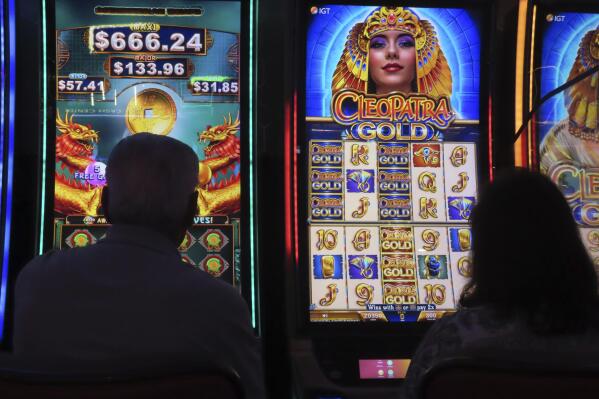
With the advent of online casinos and mobile betting, the cultural landscape of gambling is undergoing significant transformation. Platforms like Cowboy Spin Casino illustrate how technology is reshaping the gambling experience. By offering a wide variety of games that cater to diverse tastes and preferences, online casinos attract players from various cultural backgrounds, thereby creating a melting pot of gambling practices and beliefs.
Moreover, these platforms often incorporate elements from traditional games, adapting them for a digital audience. This not only preserves cultural heritage but also engages younger generations who may be more inclined to participate in online gambling. As traditions evolve, players can interact with their cultural roots in a modern context, showcasing how cultural perspectives on gambling continue to adapt over time.
In this ever-changing environment, responsible gaming practices are becoming increasingly important. As gambling becomes more accessible, online casinos like Cowboy Spin Casino emphasize the importance of promoting safe gaming habits. This cultural shift towards responsibility reflects an awareness of the potential risks associated with gambling, allowing players to enjoy their experiences while respecting cultural values and promoting healthy practices.
