
Sikhism is not just a religion, it is a complete way of life based on equality, truth, courage and devotion to One God. Each country has its own judicial and spiritual administrative centers. Sikhism has five supreme seats of authority called the “5 Takhts” or “Panj Takht sahib.” These holy institutions are responsible for preservation of Sikh values, giving important religious decisions and guiding the Sikh communities all over the world.
Panj Takht Names ,Locations , Signification
| Takht Name | Location | Established By | Year | Significance |
|---|---|---|---|---|
| Akal Takht Sahib | Amritsar, Punjab | Guru Hargobind Sahib Ji | 1606 | Highest Seat of Authority |
| Takht Keshgarh Sahib | Anandpur Sahib, Punjab | Guru Gobind Singh Ji | 1699 | Birthplace of Khalsa |
| Takht Patna Sahib | Patna, Bihar | Guru Gobind Singh Ji | 1660s | Guru Gobind Singh Ji Birthplace |
| Takht Hazur Sahib | Nanded, Maharashtra | Guru Gobind Singh Ji | 1708 | Guru Gobind Singh Ji of Final Resting Place |
| Takht Damdama Sahib | Talwandi Sabo, Punjab | Guru Gobind Singh Ji | 1705 | Seat of Learning |
What Does the Word "Takht" Mean?
The word Takht is originated from the Persian language and it literally means “Throne”. In Sikhism, the term means the seat of spiritual authority where major religious decisions are made for the Panth (Sikh community). These decisions are called Hukamnama and are the highest.
The idea of Takht was formalized by the tenth Sikh Guru, Guru Gobind Singh Ji. His goal was to defend Sikh sovereignty and protect the Panth from social, religious and political oppression.
1. Akal Takht Sahib – Throne of the Timeless One (First Takht)
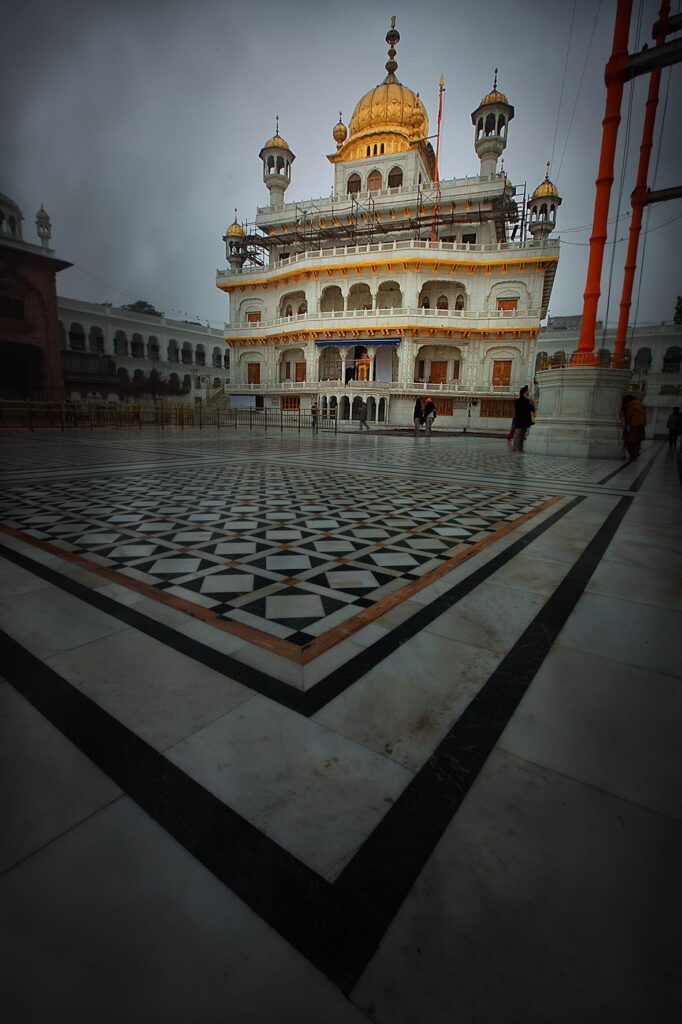
Location and History
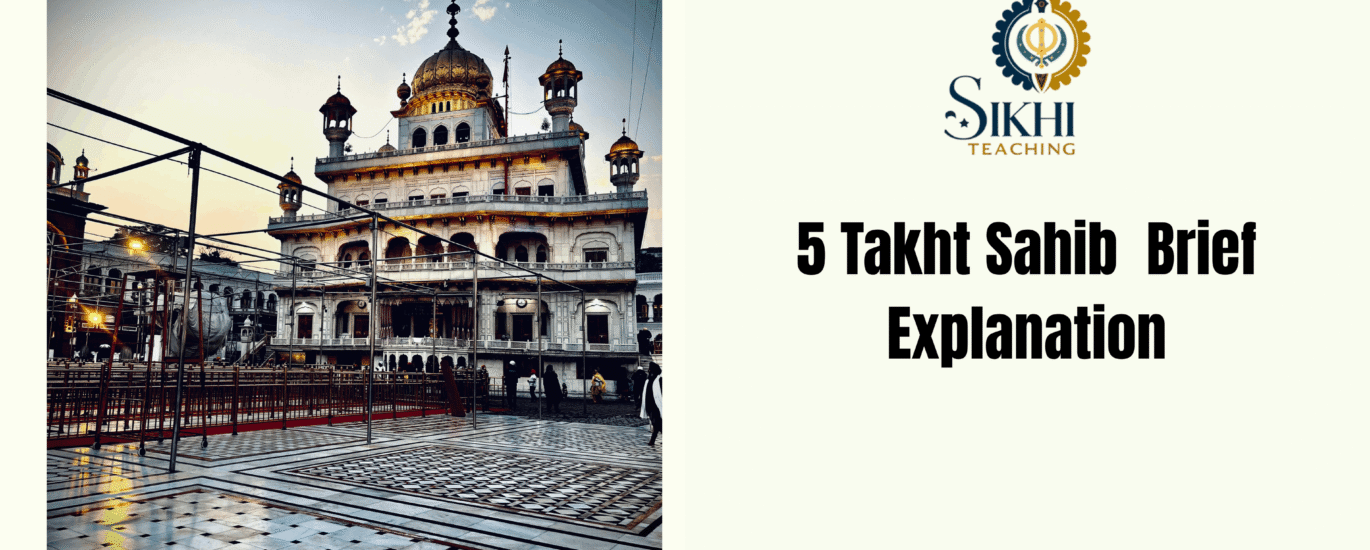
The Akal Takht Sahib is the supreme seat of authority of the Sikhs. It is situated inside the Golden Temple complex in Amritsar. Guru Hargobind Sahib Ji established it in 1606. He taught the Sikhs about the Miri-Piri concept which combines spiritual life with worldly responsibilities.
Why Akal Takht Sahib is Important
- It gives important religious decisions and messages (Hukamnamas) to Sikhs.
- It represents standing against injustice and fighting for truth.
- Major Sikh decisions and ceremonies are held here.
- The Golden Temple gives spiritual guidance, while the Akal Takht looks after justice and worldly matters.
Akal Takht Sahib stands for courage, justice and sovereignty and reminds Sikhs to stand for righteousness without fear.The Akal Takht was damaged during 1984’s Operation Blue Star but was reconstructed by the Sikh community. It is the temporal seat of Sikh authority in the past when warriors asked blessings before battles.
2. Takht Sri Keshgarh Sahib – Birthplace of the Khalsa (Second Takht)
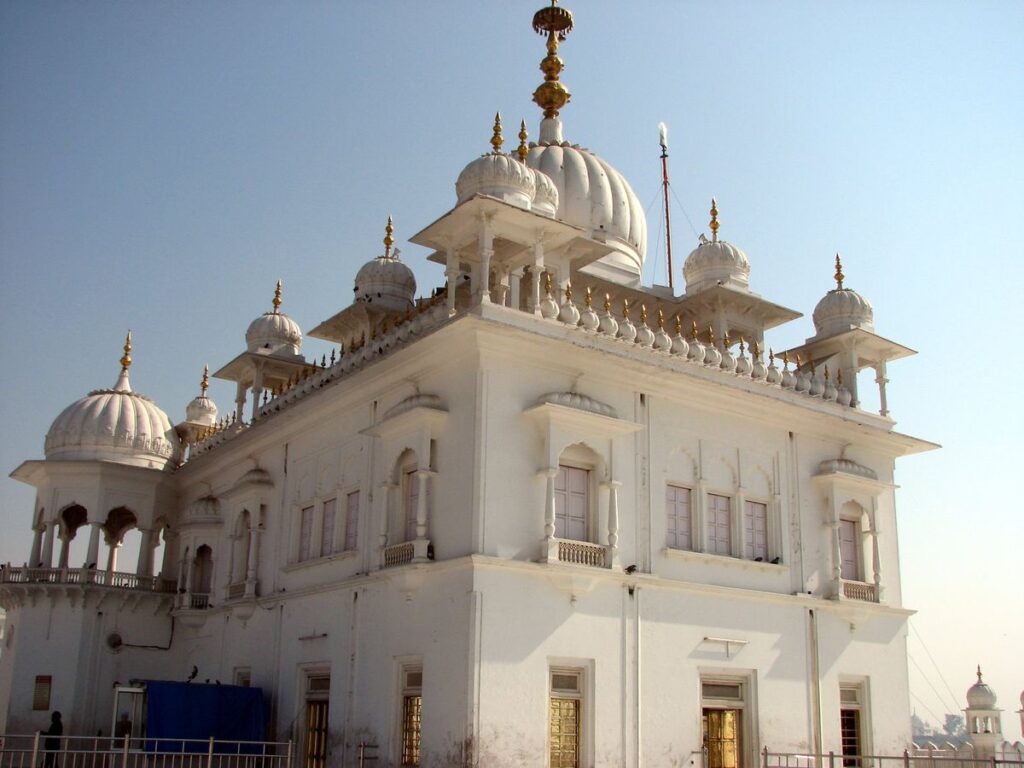
Location and History
Takht Keshgarh Sahib, Anandpur Sahib, Punjab is the historic place where Guru Gobind Singh Ji created Khalsa Panth on Vaisakhi, April 13, 1699. Here the Guru baptized the Panj Pyare (Five Beloved Ones) giving them Amrit and a unique identity for Sikhs.
Significance of Keshgarh Sahib
- Birthplace of Khalsa – the defining moment in Sikh history
- Sacred weapons of Guru Gobind Singh Ji are preserved here
- Symbol of Khalsa discipline, sacrifice, and warrior spirit
- The complex includes the main sanctum and structures commemorating Sikh traditions
Today, millions visit Keshgarh Sahib to recall the moment that changed Sikh history for ever. In the era of Guru Gobind Singh Ji, The Takht was the spiritual and military centre.
3. Takht Sri Patna Sahib – Birthplace of Guru Gobind Singh Ji (Third Takht)
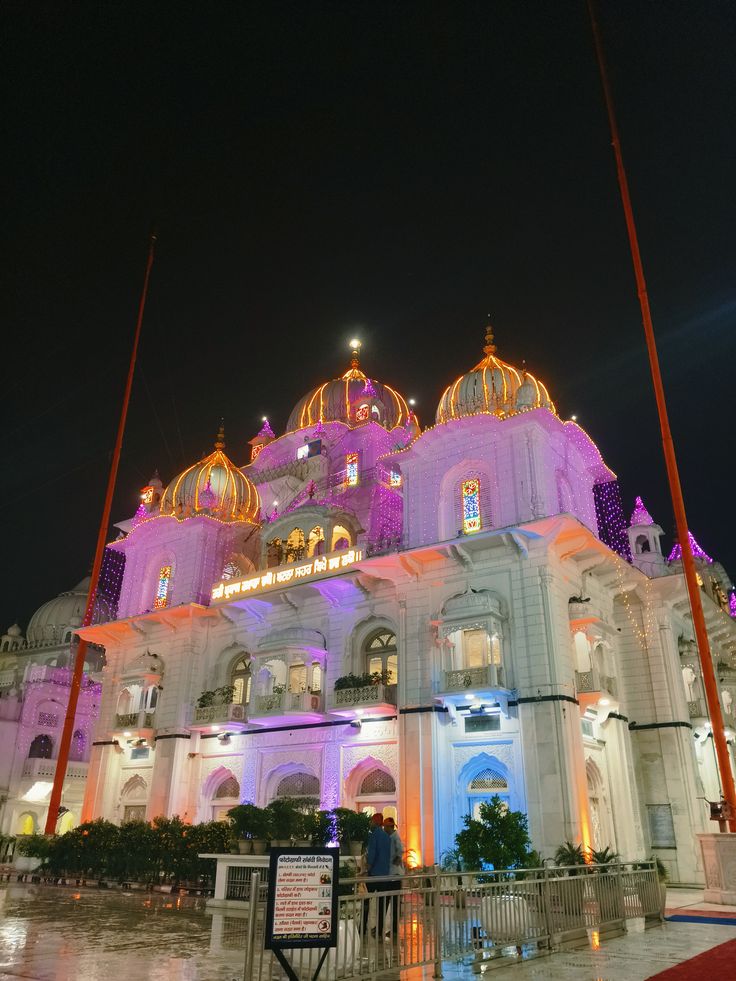
Takht Sri Patna Sahib is located in Patna, Bihar. It is the birthplace of Guru Gobind Singh Ji, who was born on 22nd December 1666 (22 Poh, 1723 Bikrami). This Takht also shows the place where Guru Ji spent his childhood and received his early teachings.
Key Importance of Patna Sahib
- Associated with the early life of Guru Gobind Singh Ji
- Preserves relics like weapons, handwritten scriptures, and clothing
- The actual house where Guru Ji was born is preserved as “Harmandir Sahib”
- Symbolizes wisdom, knowledge, and leadership
Patna is not only the birthplace of Guru Gobind Singh Ji, but it was also visited by Guru Nanak Dev Ji and Guru Tegh Bahadur Ji at different times. The Gurudwara is very beautiful, with traditional Sikh design, big domes, and marble work. Patna Sahib is an important place for Sikhs. It reminds us of Guru Gobind Singh Ji’s childhood and the early spiritual teachings he received in eastern India.
4. Takht Hazur Sahib – The Final Resting Site (Fourth Takht)
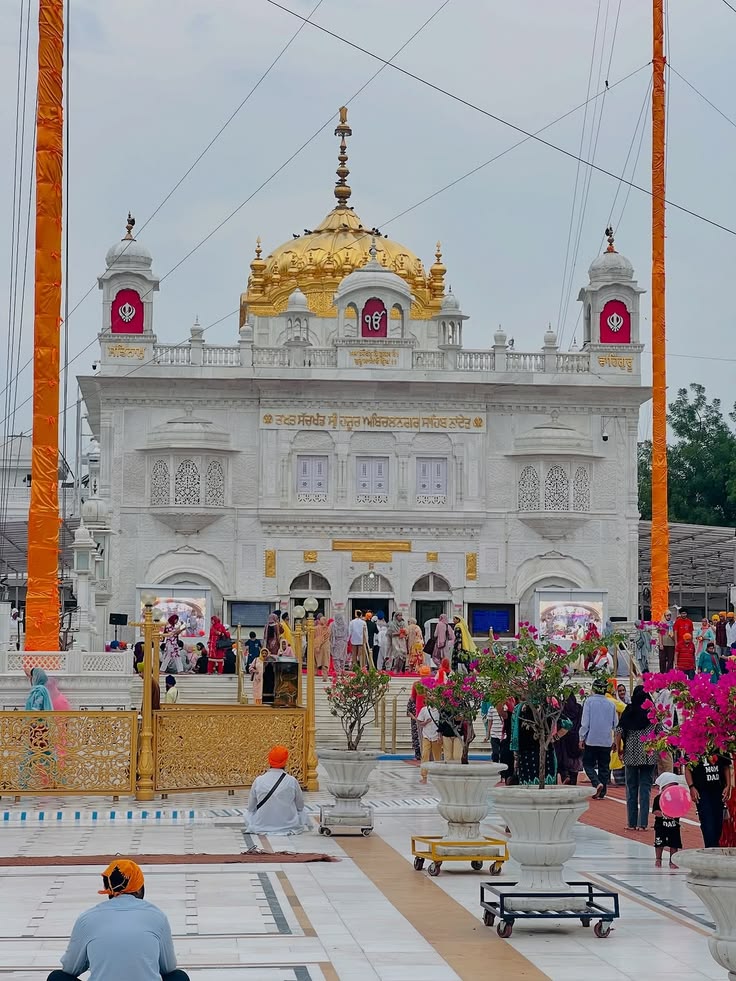
Location and Eternal Significance
Located in Nanded, Maharashtra, on the banks of the Godavari River, Takht Hazur Sahib marks the place where Guru Gobind Singh Ji left his physical body in 1708. The Guru declared Guru Granth Sahib Ji as the Eternal Guru here, ending the line of human Gurus.
Why Hazur Sahib is Sacred
- It marks the spiritual succession of Sikh Gurus to the scripture (Guru Granth Sahib Ji)
- The inner sanctum, called Angitha Sahib, is built over the place where Guru Gobind Singh Ji was cremated
- Preserves Guru Gobind Singh Ji’s weapons, clothing, and manuscripts
- Daily rituals follow traditional Maryada established by the Guru
- The shrine combines Sikh and Rajput architectural styles with white marble domes
The current shrine was constructed in the early 19th century by Maharaja Ranjit Singh. Takht Hazur Sahib represents eternity, devotion, and the eternal Guru of Sikhs.
5. Takht Sri Damdama Sahib – Sikh Learning Seat (Fifth Takht)
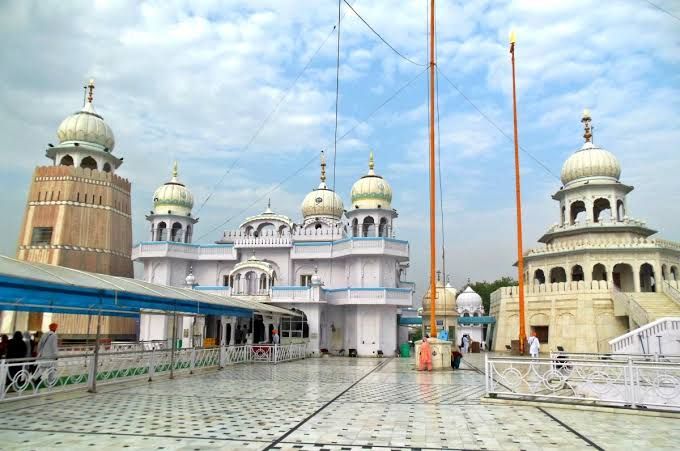
Damdama Sahib, in Talwandi Sabo, Punjab (near Bathinda) is also called “Guru Ki Kashi” (Sikh University). It is the place where Guru Gobind Singh Ji compiled and completed Guru Granth Sahib Ji in 1705 by adding the holy hymns of Guru Tegh Bahadur Sahib Ji.
Importance of Damdama Sahib
- Symbol of learning, spiritual illumination and empowerment
- Guru Ji stayed here for nine months teaching Sikh scholars
- Here the last edition of Guru Granth Sahib was compiled which is known as Damdama Sahib Bir
Damdama Sahib was formally declared the fifth Takht on November 18, 1966. It calls on Sikhs to deepen their relationship with scripture and knowledge.
Why Are the Panj Takhts Important in Sikhism?
The Five Takhts are the pillars of Sikh administration, spiritual, historical, ethical and judicial. Together they protect Sikh values and guide the worldwide Sikh Sangat (community).
Their core functions include:
- Issuing Hukamnamas – Spiritual and political edicts for the Sikh Community
- Keeping Traditions Alive – Preserving Sikh literature, artifacts and practices
- Rights Protection – Addressing human rights and equality issues
- Creating Unity – Uniting the Sikh Panth worldwide under one leadership
- Judicial Power – religious dispute resolution and religious guideline issuance
Each Takht has a Jathedar (Head Priest) who performs religious ceremonies and speaks for the Takht. The highest ranking of the five is the Jathedar of Akal Takht.
Historical Timeline of the Five Takhts
1606 – Akal Takht Sahib established by Guru Hargobind Sahib Ji in Amritsar
1660s – Takht Patna Sahib gains significance as Guru Gobind Singh Ji’s birthplace
1699 – Takht Keshgarh Sahib becomes the birthplace of the Khalsa on Vaisakhi
1705 – Takht Damdama Sahib emerges as the seat of learning where Guru Granth Sahib was finalized
1708 – Takht Hazur Sahib established where Guru Gobind Singh Ji attained martyrdom
1799-1839 – Maharaja Ranjit Singh beautifies all five Takhts with gold plating and marble work
1966 – Damdama Sahib officially recognized as the fifth Takht
FAQ : 5 Takhts sahib
What is the best time and plan to visit all five Takhts of Sikhism?
Who Manages the Five Takhts?
What is the difference between a Gurudwara and a Takht?
Lesser-Known Facts About the Takhts
- Guru Hargobind Sahib Ji himself along with Bhai Gurdas and Baba Buddha build Akal Takht without employing any other builders
- Keshgarh Sahib still has the original well (Kesgarh Sahib Baoli) where the first Amrit was prepared for the Panj Pyare in 1699 Patna Sahib has Guru Gobind Singh Ji’s childhood wooden clogs (khadawan) and personal belongings from his young years
- Hazur Sahib has a unique practice of carrying Guru Ji’s weapons in daily procession (Shastra Prakash) which is not found in other
- Gurudwaras. Damdama Sahib is where Guru Gobind Singh Ji dictated the entire 1430 page Guru Granth Sahib from memory to Bhai Mani Singh Ji.
- The Akal Takht is the only Takht that was established by a Guru in his own lifetime; the other four became Takhts after the Gurus’ time.