

Who Was Bibi Bimal Kaur Khalsa?
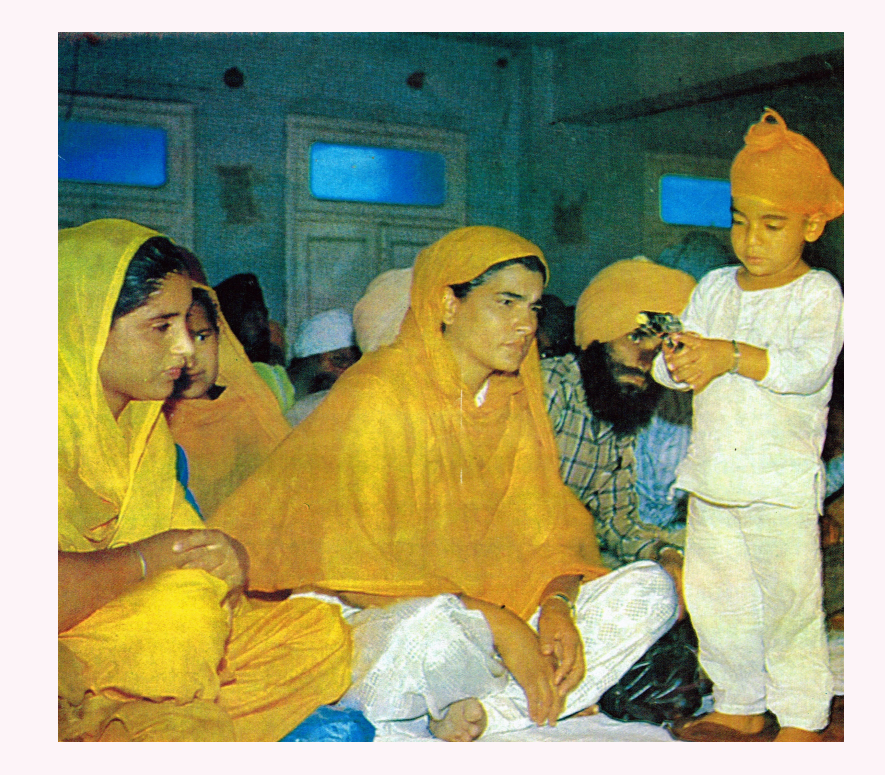
Bibi Bimal Kaur Khalsa was a Sikh political activist and ex-Member of Parliament. She was one of the most influential Sikh women linked with the post-1984 Sikh movement.
She is best known as the wife of Bhai Beant Singh, one of the bodyguards involved in the assassination of former Prime Minister Indira Gandhi on October 31, 1984.
For many Sikhs, Bibi Bimal Kaur Ji became a symbol of courage, resilience, and political resistance during one of the darkest periods in Sikh history.
Early Life of Bibi Bimal Kaur Ji Khalsa
Childhood and Education
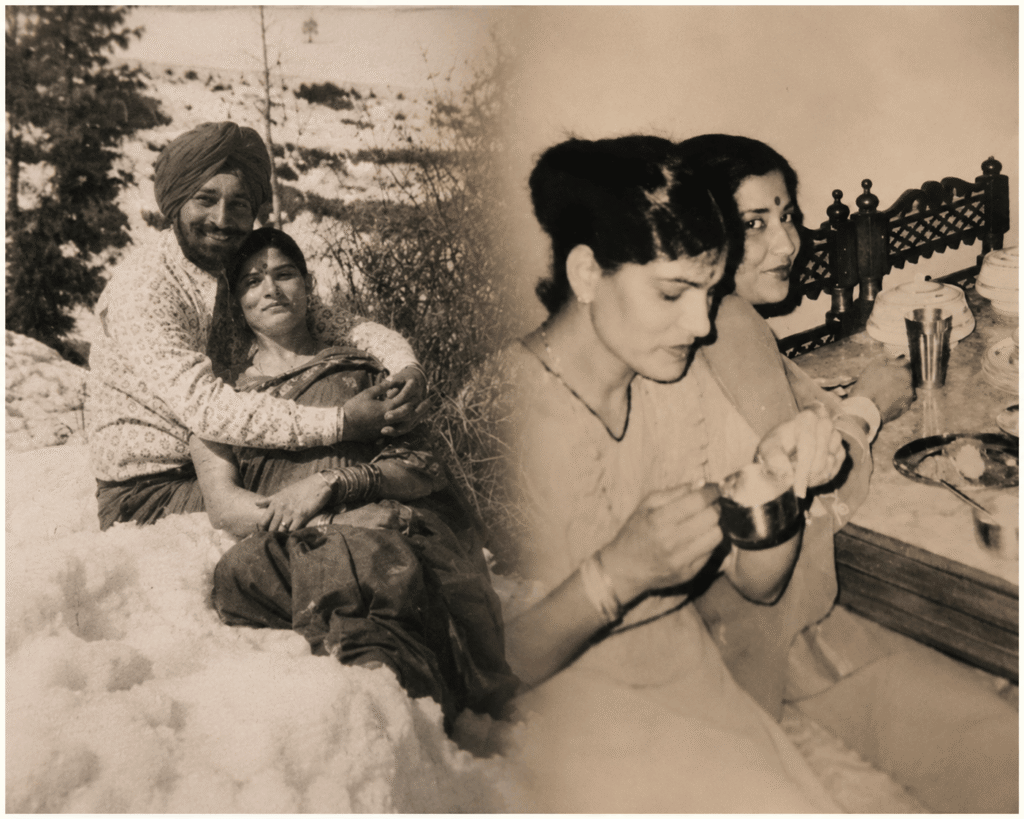
Bibi Bimal Kaur Ji was born on 7th November 1950 in the village Goraya, Hoshiarpur, Punjab. She was Bimal Devi before her marriage. She later adopted Sikh values and became active in Sikh politics and activism.
She studied nursing and worked as a nurse in the Lady Hardinge Medical College, Delhi.
Marriage With Bhai Beant Singh
The Wife of Bhai Beant Singh
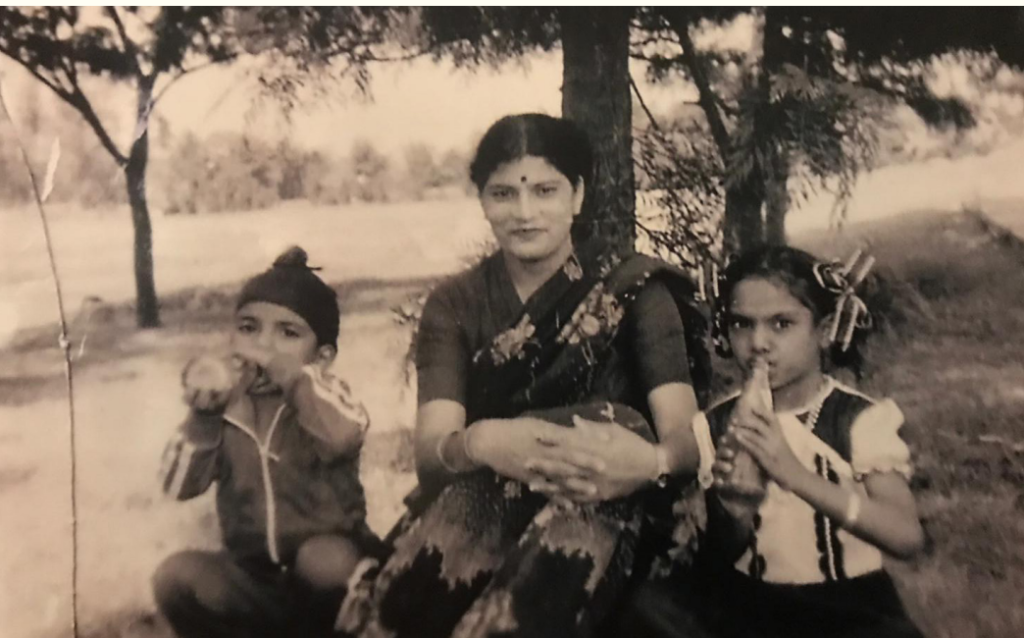
Bibi Bimal Kaur Ji married Bhai Beant Singh Ji on 23rd January 1976. They had three children together:
1.Amrit Kaur
2.Sarabjeet Singh Khalsa
3.Jaswinder Singh
Never again, after the events of October 1984, did they live such a family life.
Who is Bhai Beant Singh Ji ?
Bhai Beant Singh Ji was a Sikh bodyguard of former Prime Minister Indira Gandhi. After Operation Blue Star in June 1984, he, along with Satwant Singh, assassinated Indira Gandhi on October 31, 1984. Many Sikhs remember him as a Shaheed who stood against the attack on Sri Harmandir Sahib. He was married to Bibi Bimal Kaur Khalsa, who later became a Sikh political leader and activist.
Life of Bibi Bimal Kaur Khalsa After 1984
Arrest, Torture, and Struggles
After the assassination of Indira Gandhi, Indian security agencies reportedly detained Bibi Bimal Kaur Ji for several days. As recorded in history she was questioned and allegedly tortured, leaving her young children at home alone.
She was supported by Sikh organizations such as Damdami Taksal in her family and children during this difficult time.
Later, she shifted to Punjab from Delhi and actively took part in the Sikh political and human rights movements.
Political Journey of Bibi Bimal Kaur Khalsa
From Activist to Member of Parliament
Bibi Bimal Kaur Ji was always under pressure and cases but she never stopped to talk about Sikh rights and 1984.
She also became active in Punjab politics and later won the Lok Sabha elections from Ropar constituency in 1989 as a candidate of Shiromani Akali Dal (Amritsar).
Her victory was seen by many Sikhs as reflective of the mass public support for Panthic politics at the time.
Bibi Bimal Kaur Ji and the Sikh Movement
Voice for Sikh Rights
Bibi Bimal Kaur Ji was known for her fearless speeches and support for Sikh political prisoners, human rights issues and Sikh identity.
There are many accounts of her delivering speeches at Sikh gatherings and commemorations connected with June 1984 (Operation blue star)and the anti-Sikh riots that followed.
She is still remembered by many Sikh organizations as an important female voice in the Sikh struggle during the 1980s and early 1990s.
Death of Bibi Bimal Kaur Khalsa
Mysterious Circumstances Surrounding Her Death
Bibi Bimal Kaur Ji died on September 2, 1991, in Punjab in controversial circumstances. Official reports attributed the death to accidental electrocution but some relatives and Sikh groups have questioned the claims.
Her death remains a subject of debate among Sikh historians and political activists.
Legacy of Bibi Bimal Kaur Khalsa
Why Sikhs Still Remember Her Today
Bibi Bimal Kaur Ji is remembered today for:
- Her courage after 1984
- Raising her children during political turmoil
- Speaking openly about Sikh issues
- Her role in Sikh politics
- Supporting Sikh families affected during the conflict period
For many Sikhs, she represents strength, sacrifice, and determination during a difficult chapter of Punjab’s history.
Her son, Sarabjeet Singh Khalsa, later entered politics and became a Member of Parliament from Faridkot in 2024.s
Conclusion
Bibi Bimal Kaur Khalsa still remains an important figure of the modern Sikh history. Her transition from Bhai Beant Singh’s wife to a political leader and activist in her own right, reflects the struggles faced by many Sikh families after 1984.
Her story continues to spark conversations around Sikh identity, resilience, women’s leadership and political activism.
